


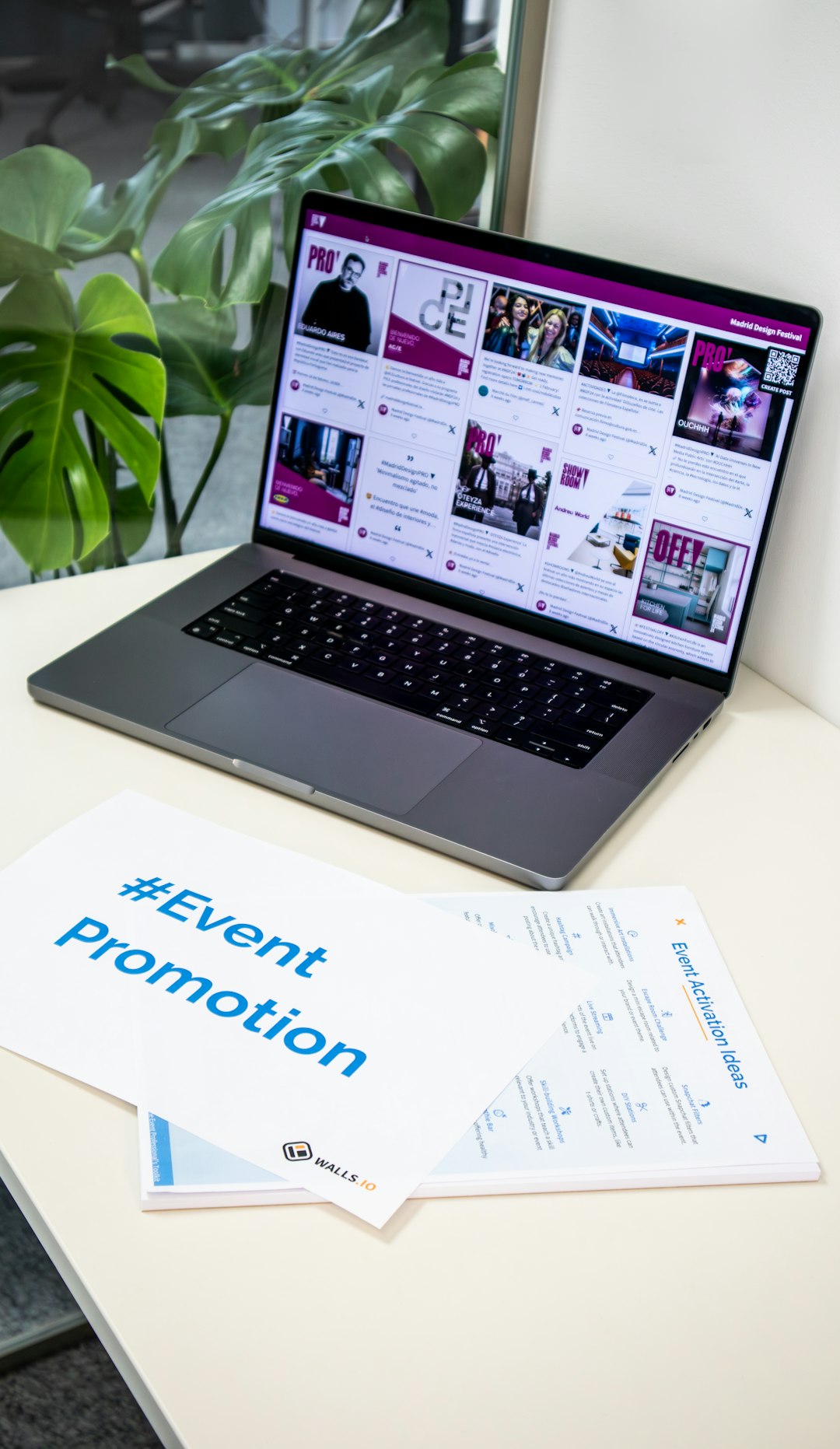
Audience engagement remains the ultimate currency for digital brands, creators, and businesses striving to capture attention in an increasingly crowded online marketplace. When attention spans shrink, traditional marketing tactics often fall short, prompting digital strategists to seek out high-impact methods that actively invite participation rather than passive observation. Implementing effective giveaway promotion strategies to increase audience engagement transforms stagnant follower counts into vibrant, interactive communities where users willingly share, comment, and advocate for a brand.
Executing a promotional campaign requires precision, careful planning, and a deep understanding of psychological triggers that motivate online behavior. Far beyond simply handing out free items, a successful campaign aligns prize selection with audience interests, leverages platform-specific algorithms, and establishes clear pathways for sustained interaction. By examining industry benchmarks, behavioral data, and structural frameworks, organizations can design campaigns that yield measurable returns on investment while fostering genuine brand affinity.
Understanding the Psychology Behind Digital Giveaways
Human behavior in digital spaces is heavily influenced by the principle of reciprocity and the psychological thrill of potential reward. When a brand offers something of value without an immediate financial barrier, it triggers a powerful cognitive response that encourages reciprocation, typically manifested as follows, likes, shares, and user-generated content. Analyzing consumer habits on platforms documented by organizations like the Pew Research Center reveals that interactive content consistently outperforms static advertisements in retaining user attention.
The anticipation of winning activates the brain’s reward pathways, creating a positive emotional association with the hosting brand. However, the perceived value of the prize must directly correlate with the effort required to enter. If the barrier to entry is too high or the prize lacks relevance, participation rates plummet. Therefore, selecting a reward that appeals specifically to a target niche—rather than a generic mass-market gadget—ensures that the participants attracted are genuinely interested in the brand’s core offerings, laying the groundwork for post-campaign retention.
Defining Campaign Objectives and Key Performance Indicators
Every successful promotional initiative begins with clearly articulated goals that dictate structural decisions from conception to fulfillment. Objectives typically range from expanding follower demographics and boosting comment volume to collecting user-generated content and building email subscriber lists. Establishing specific key performance indicators allows campaign organizers to measure success accurately and adjust tactics in real-time.
- Follower Growth Rate: Tracking the percentage increase in net-new followers over the campaign duration.
- Engagement Rate per Post: Measuring the ratio of likes, comments, and saves relative to total reach.
- Lead Generation Volume: Counting the number of verified email addresses or newsletter sign-ups acquired.
- User-Generated Content Volume: Quantifying the number of original posts created by participants using campaign hashtags.
Setting benchmarks informed by insights from digital marketing authorities such as the Content Marketing Institute helps calibrate expectations. Without defined metrics, determining whether a campaign successfully achieved its broader business goals remains impossible, turning marketing expenditure into an unmeasured expense rather than an investment.
Selecting High-Value Prizes That Attract Qualified Audiences
The temptation to offer universally appealing prizes, such as high-end smartphones or cash, often backdooor-s results by attracting sweepstakes enthusiasts who unfollow the moment the campaign concludes. Sustainable giveaway promotion strategies to increase audience engagement rely on offering prizes that are intrinsically tied to the brand’s niche. For instance, a fitness apparel brand offering a curated bundle of workout gear and training access attracts fitness enthusiasts rather than casual bargain hunters.
Alignment between the prize and the brand ensures that the audience gathered during the promotional window retains long-term value. Market research data compiled by industry analysts at Forrester emphasizes that audience quality vastly supersedes raw quantitative reach. When participants fit the ideal buyer persona, subsequent conversion rates from community members to paying customers rise significantly, validating the focus on targeted, niche-specific incentives.
Leveraging Multi-Channel Promotion for Maximum Reach
A common pitfall in campaign execution is relying exclusively on a single social media channel for visibility. Comprehensive promotion requires an omni-channel approach that synchronizes announcements across email newsletters, secondary social networks, website banners, and partner collaborations. Cross-pollination between platforms ensures that existing audiences on one channel are galvanized to support the brand across others.
+------------------------+-------------------------------------------------------+
| Promotional Channel    | Primary Objective & Execution Tactic                  |
+------------------------+-------------------------------------------------------+
| Email Newsletter       | Drive high-intent existing subscribers to participate |
| Instagram/TikTok       | Generate viral reach via short-form video and shares  |
| Website/Blog Pop-ups   | Capture direct web traffic and convert into leads     |
| Strategic Partnerships | Cross-promote to tap into aligned external audiences   |
+------------------------+-------------------------------------------------------+
Integrating strategic partnerships amplifies reach exponentially. Collaborating with non-competing brands that share a similar target demographic allows both entities to pool their audiences, reducing acquisition costs while doubling visibility. Research published in Harvard Business Review underscores the efficacy of strategic alliances in modern marketing ecosystems, demonstrating that cooperative promotional efforts yield higher trust metrics among consumers.
Crafting Rules, Compliance, and Platform Guidelines
Navigating the legal and platform-specific regulatory landscape is a mandatory step that protects the hosting organization from penalties, account suspensions, or legal liabilities. Major social platforms maintain strict promotional guidelines that dictate disclosure requirements, eligibility criteria, and prohibited mechanics. For example, forcing users to tag themselves in photos where they do not appear or mandating inaccurate disclosures often violates terms of service.
Furthermore, compliance with regional regulations, such as FTC guidelines in the United States or GDPR in Europe, ensures transparency regarding data collection and prize fulfillment. Clearly outlining terms and conditions—including start dates, end dates, geographic restrictions, and winner selection processes—establishes credibility and reassures participants of the campaign’s legitimacy. Documenting these rules accessibly minimizes disputes and protects brand reputation.
Maximizing Engagement Through Interactive Entry Mechanics
The mechanics required for entry dictate the depth of audience interaction achieved during the campaign lifecycle. Moving beyond passive entry methods like a simple double-tap requires participants to invest cognitive effort, which subsequently increases their psychological investment in the brand. Effective mechanics encourage meaningful interactions that signal algorithmic favorability to platform distribution systems.
- Thoughtful Comment Prompts: Asking users to answer a specific, industry-related question in the comments section rather than just tagging friends.
- Creative Submissions: Inviting users to submit photographs, reviews, or short stories related to a specific theme.
- Collaborative Tagging: Encouraging users to tag peers who would genuinely benefit from the product or service being offered.
- Shared Milestones: Unlocking bonus prize tiers when overall campaign engagement targets are met collectively.
Data analytics reports from platforms like Sprout Social indicate that posts generating comment-driven discussions receive prioritized placement in algorithmic feeds, compounding organic reach well beyond the initial follower base. Designing entry pathways that stimulate genuine conversation creates a dynamic community environment that sustains itself long after the final winner is announced.
Analyzing Post-Campaign Data and Nurturing New Leads
The conclusion of a promotional campaign marks the beginning of the crucial retention phase, where newly acquired audience members are integrated into the broader brand ecosystem. Failing to engage new followers immediately following a campaign often results in a steep drop-off curve, neutralizing the growth achieved. Automated welcome sequences, tailored content delivery, and exclusive post-campaign offers help bridge the transition from casual participant to loyal community member.
Comprehensive data analysis following the event provides actionable insights for future marketing initiatives. Evaluating metrics such as cost-per-acquisition, unfollow rates, engagement longevity, and conversion rates allows marketing teams to refine their approach. Case studies published by marketing research firms highlight that brands conducting rigorous post-campaign audits achieve significantly higher ROI on subsequent promotional cycles, steadily optimizing their engagement frameworks.
Frequently Asked Questions
What is the ideal duration for running an online promotional giveaway?
A duration of seven to fourteen days is generally optimal for most digital campaigns. This window provides sufficient time for the promotional content to circulate through algorithms and reach international audiences, without causing participant fatigue or loss of momentum.
How can brands prevent fake accounts and bots from entering?
Implementing verification requirements—such as requiring account age verification, unique text-based answers in comments rather than generic emojis, or cross-platform authentication via email sign-up—helps filter out automated bot activity.
Is it necessary to use paid advertising to promote a giveaway?
While organic promotion can yield strong results, allocating a modest paid advertising budget to amplify top-performing campaign posts significantly accelerates reach, especially when targeting specific demographic lookalike audiences.
What should happen if a selected winner fails to respond?
The official rules and terms should explicitly state a timeframe—typically 48 hours—for a winner to claim their prize before a secondary drawing selects an alternate participant. This ensures timely fulfillment and keeps the operational timeline transparent.
Conclusion
Mastering giveaway promotion strategies to increase audience engagement requires a delicate balance of psychological insight, structural planning, and strict adherence to platform guidelines. By prioritizing audience alignment, multi-channel distribution, and interactive entry mechanics, organizations can transcend superficial metrics and build genuinely active communities. Treating promotional campaigns not as isolated events, but as integrated components of a holistic marketing strategy, ensures sustained growth, enhanced brand loyalty, and measurable long-term value in an evolving digital landscape.
Featured Image Credit: Generated/Sourced via Unsplash.
Disclaimer: This article is AI-generated for informational and educational purposes. While we strive to provide high-quality context and authority, the content should not be used as professional advice. The author/website assumes no liability for external links or factual omissions.