


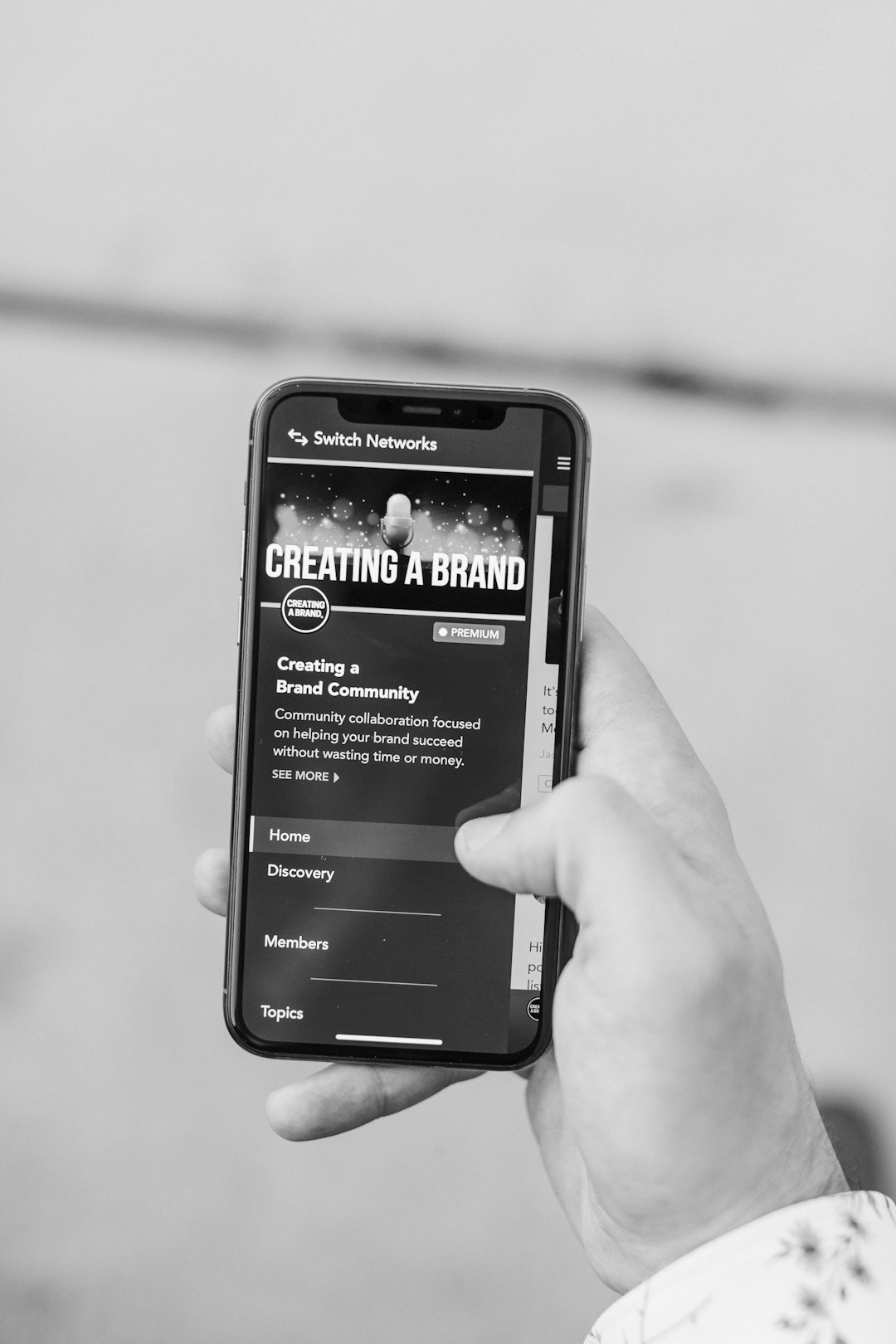
The modern digital landscape presents a profound challenge for businesses striving to capture consumer attention. Traditional advertising channels often face consumer fatigue, prompting marketing professionals to seek interactive approaches that foster genuine connection. Integrating participatory promotional events transforms passive observers into active participants, establishing a foundation for sustainable growth.
Understanding the Mechanics of Promotional Giveaways
Executing promotional sweepstakes requires a clear understanding of psychological triggers and legal frameworks. When consumers encounter opportunities to win valuable prizes, dopamine pathways activate, creating positive associations with the hosting organization. This psychological response encourages users to share promotional content within social networks, multiplying organic reach without a proportional increase in advertising expenditure.
Consumer psychology research indicates that perceived value heavily dictates participation rates. Prizes must align directly with the target demographic interests rather than relying on generic high-ticket items like tablet computers or cash. A fitness apparel company offering an exclusive gear bundle attracts qualified prospects, whereas a cash giveaway attracts sweepstakes hobbyists who possess zero long-term interest in the brand.
Legal compliance forms the bedrock of sustainable promotional campaigns. Regulatory bodies such as the Federal Trade Commission enforce strict guidelines regarding sweepstakes, contests, and lotteries. Clear official rules must outline eligibility requirements, entry deadlines, and prize descriptions to maintain transparency and consumer trust.
Designing High-Impact Brand Awareness Strategies Using Contests and Giveaways
Maximizing visibility requires deliberate campaign architecture. Successful initiatives begin with precise objective setting, whether the goal involves follower acquisition, email subscriber growth, or user-generated content creation. Each platform demands tailored mechanics to leverage specific algorithmic preferences.
Social Media Engagement Loops
Platform algorithms favor content that generates rapid interaction. Structuring mechanics around comments, shares, and saves signals content relevance to platform algorithms. For instance, requiring participants to tag friends in the comments section creates a viral loop, introducing the brand to secondary and tertiary networks of potential customers.
Collaborative giveaways between complementary brands amplify audience crossover. A skincare brand partnering with a sustainable lifestyle accessory company pools resources, doubling the initial participant pool while delivering high relevance to both audiences.
User-Generated Content Campaigns
User-generated content serves as powerful social proof. Campaigns requiring participants to submit original photos or videos utilizing specific products generate authentic marketing collateral. This approach reduces content creation overhead for marketing teams while showcasing real-world utility to prospective buyers.
Comparative Analysis of Promotional Mechanics
| Promotional Type | Primary Advantage | Typical Conversion Rate | Resource Requirement |
|---|---|---|---|
| Social Sweepstakes | Rapid audience growth | Moderate | Low to Medium |
| Skill-Based Contests | High engagement and content creation | Low to Moderate | High |
| Referral Giveaways | Viral loops and lead generation | High | Medium |
| Collaborative Giveaways | Audience cross-pollination | High | Medium |
Amplification and Distribution Tactics
Launching a promotion without a distribution blueprint limits potential reach. Omnichannel promotion ensures maximum visibility across digital touchpoints.
Email marketing serves as an immediate catalyst for existing subscriber bases. Announcing the event through dedicated newsletters re-engages dormant subscribers while incentivizing them to share the opportunity externally.
Paid amplification accelerates momentum during initial launch phases. Allocating a modest advertising budget toward targeted social media advertisements captures high-intent users within specific geographic or demographic parameters.
Influencer partnerships lend instant credibility. Micro-influencers often command highly engaged niches, driving authentic participation through dedicated promotional codes or custom landing pages.
Measuring Success and ROI
Quantifying campaign performance involves tracking specific key performance indicators beyond surface-level entries.
- Audience Growth Rate: Measuring net new followers acquired during the promotional window.
- Cost Per Acquisition: Calculating total campaign expenditure divided by the number of qualified leads or new customers secured.
- Engagement Rate: Evaluating the ratio of interactions to total impressions during the active phase.
- Retention Metrics: Monitoring unsubscribe rates and unfollow trends post-campaign to assess audience quality.
Analyzing these metrics allows marketing teams to refine future initiatives, ensuring positive return on investment and long-term brand equity accumulation.
Frequently Asked Questions
What distinguishes a sweepstakes from a contest?
A sweepstakes awards prizes based purely on random chance, where purchase is never required to enter. A contest determines winners based on skill, merit, or judging criteria established by the organizer.
How long should a promotional giveaway run?
Duration depends on campaign complexity. Standard sweepstakes typically run between one and two weeks, maintaining urgency without fatiguing the audience. Complex user-generated content campaigns may extend up to four weeks to allow adequate submission time.
Do giveaways attract low-quality leads?
Poorly aligned prizes attract prize hunters who unsubscribe immediately after the drawing. Offering niche-specific rewards ensures participants match the ideal customer profile.
Are sweepstakes subject to state-specific regulations?
Yes, certain states require registration and bonding for sweepstakes exceeding specific prize thresholds. Reviewing jurisdictional laws prior to launch prevents regulatory complications.
How can fraudulent entries be minimized?
Utilizing dedicated contest management software equipped with duplicate entry filters, IP tracking, and verification protocols safeguards campaign integrity.
Conclusion
Executing promotional campaigns requires strategic alignment between prize selection, audience targeting, and regulatory compliance. When structured correctly, brand awareness strategies using contests and giveaways serve as powerful catalysts for sustainable audience expansion and community building. Organizations that prioritize genuine value exchange over superficial metrics cultivate loyal customer bases, turning promotional participants into long-term brand advocates. Continual refinement based on analytical insights ensures promotional efforts adapt to shifting consumer behaviors and digital platform updates, securing competitive advantage in crowded marketplaces.
Featured Image Credit: Generated/Sourced via Unsplash.
Disclaimer: This article is AI-generated for informational and educational purposes. While we strive to provide high-quality context and authority, the content should not be used as professional advice. The author/website assumes no liability for external links or factual omissions.