


How Promotional Campaigns Help Increase Brand Awareness
In the contemporary business ecosystem, capturing consumer attention remains a formidable challenge for enterprises of all sizes. Organizations constantly seek reliable mechanisms to elevate their market presence and ensure their offerings resonate with target audiences. Among the most effective instruments in a marketer’s toolkit is the strategic rollout of promotional initiatives. Understanding how promotional campaigns help increase brand awareness provides organizations with a definitive pathway to scale visibility, foster consumer trust, and secure a lasting foothold in competitive industries.
The Mechanics of Brand Visibility and Market Penetration
Market visibility is the foundational currency of modern commerce. When a company initiates a targeted promotional drive, it actively injects its identity into consumer consciousness. This process relies heavily on psychological triggers such as frequency and familiarity. According to insights published by the Harvard Business Review, consistent exposure to brand messaging significantly enhances consumer preference over time.
Consider how seasonal discounts, limited-time offers, and sponsored events operate within a broader marketing framework. These activities act as beacons, drawing prospective buyers who might otherwise remain unaware of a company’s existence. By strategically distributing promotional collateral across digital and physical touchpoints, enterprises multiply their visual footprint. This sustained exposure ensures that when a consumer faces a purchasing decision, the brand occupies the forefront of their mind, establishing a direct correlation between active promotional efforts and heightened market recognition.
Psychological Drivers Behind Consumer Engagement
Consumer behavior is deeply influenced by perceived value and emotional resonance. Promotional campaigns capitalize on these underlying psychological drivers to transform passive observers into active participants. Research highlighted by the American Psychological Association indicates that incentives such as exclusive discounts or complimentary additions trigger positive cognitive responses, reducing the hesitation associated with trying unfamiliar labels.
When an organization offers a time-sensitive incentive, it introduces a sense of urgency that accelerates decision-making. This mechanism not only boosts immediate sales metrics but also serves a broader branding purpose. Every successful transaction born from a promotion converts a new buyer into an organic advocate. These individuals frequently share their positive acquisition experiences through word-of-mouth or social sharing, compounding the initial reach of the promotion without requiring proportional increases in advertising expenditure.
Strategic Channels for Maximizing Promotional Reach
Executing a successful awareness-driven initiative requires careful selection of communication channels. Modern enterprises utilize a multi-channel approach to ensure their promotional messaging reaches diverse consumer segments effectively.
Digital Ecosystems and Social Platforms
Digital networks offer unprecedented precision in targeting specific demographics. Organizations deploy targeted advertising, influencer collaborations, and interactive social media contests to amplify their promotional reach. According to data from the Pew Research Center, a vast majority of consumers regularly engage with brand content across social networks, making these platforms indispensable for scaling visibility rapidly.
Traditional Media and Omnichannel Integration
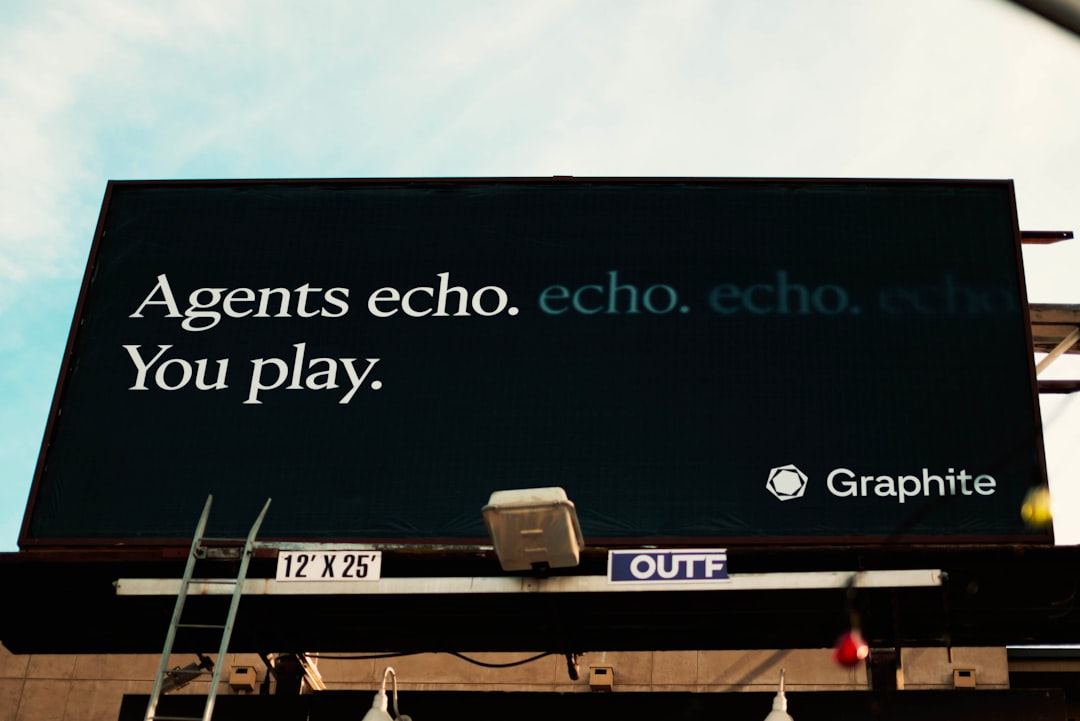
While digital avenues dominate contemporary discourse, traditional channels such as print, radio, and experiential marketing retain substantial utility. Omnichannel integration ensures that promotional messaging remains cohesive whether a consumer encounters it on a billboard, an email newsletter, or a retail display. This seamless uniformity reinforces corporate identity and prevents audience confusion, solidifying brand recall across varied touchpoints.
Comparative Overview of Promotional Tactics
| Promotional Tactic | Primary Objective | Typical Duration | Main Awareness Benefit |
|---|---|---|---|
| Social Media Contests | User engagement and viral reach | Short-term (1-2 weeks) | Rapid expansion of digital audience footprint |
| Seasonal Price Reductions | Volume sales and trial generation | Medium-term (1 month) | Attracts price-sensitive prospective buyers |
| Experiential Pop-Ups | Immersive sensory interaction | Short-to-medium term | Deep emotional connection with local markets |
| Loyalty Referral Programs | Customer retention and acquisition | Ongoing | Leverages existing networks for organic trust |
Measuring the Impact on Long-Term Equity
Evaluating the success of a promotional initiative extends far beyond tracking immediate revenue spikes. Analysts examine key performance indicators such as share of voice, website traffic surges, and direct sentiment analysis to gauge true brand lift. Industry standards outlined by the Marketing Accountability Standards Board emphasize the importance of tracking long-term equity changes rather than solely focusing on short-term conversion metrics.
When executed with precision, promotional initiatives build enduring equity that cushions businesses against market fluctuations. A well-known identity commands higher pricing power, attracts superior partnership opportunities, and retains customers more efficiently than an obscure competitor. Consequently, promotional investments function as capital contributions toward building institutional value, proving that visibility campaigns generate ripples that extend far beyond their active operational windows.
Frequently Asked Questions
What differentiates a promotional campaign from standard advertising?
Standard advertising focuses on ongoing brand positioning and long-term messaging, whereas a promotional campaign utilizes specific, time-bound incentives or offers to drive immediate engagement and rapid visibility.
How long should a promotional initiative run to achieve optimal awareness?
The duration depends on the specific goals and target audience, though most effective initiatives run between two to four weeks to maintain urgency without causing audience fatigue.
Can small businesses utilize promotional campaigns effectively on limited budgets?
Yes, small enterprises frequently leverage targeted social media promotions, local partnerships, and digital referral programs to achieve high-impact visibility without requiring massive capital outlays.
What are the primary risks associated with running frequent promotions?
Over-reliance on frequent discounting can devalue a brand in the eyes of consumers, conditioning them to purchase exclusively during price reductions rather than paying full market value.
Conclusion
The deliberate deployment of promotional initiatives remains a cornerstone of successful enterprise growth and market positioning. By strategically orchestrating campaigns across diverse channels, organizations effectively capture consumer attention, stimulate engagement, and convert casual observers into loyal advocates. As market dynamics continue to evolve, understanding how promotional campaigns help increase brand awareness ensures that businesses maintain a competitive edge, driving sustainable visibility and long-term equity in an increasingly crowded global marketplace.
Featured Image Credit: Generated/Sourced via Unsplash.
Disclaimer: This article is AI-generated for informational and educational purposes. While we strive to provide high-quality context and authority, the content should not be used as professional advice. The author/website assumes no liability for external links or factual omissions.