


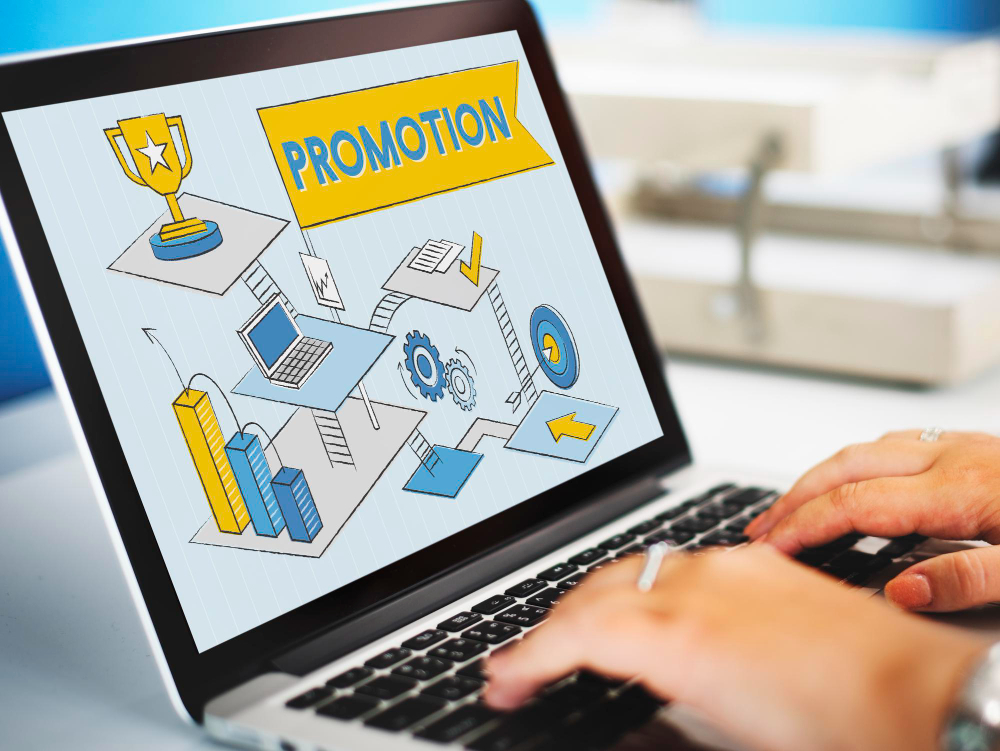
Promotional marketing relies heavily on capturing fleeting consumer attention in a crowded digital marketplace. Brands constantly search for methods that bypass traditional advertising fatigue and foster genuine brand affinity. Integrating no-cost product offers into broader marketing strategies serves as an effective mechanism to achieve this goal. When executed with precision, these initiatives do more than distribute free items; they spark organic conversations, collect valuable user data, and guide prospects smoothly through the sales funnel. Modern promotional campaigns require a delicate balance between perceived value and measurable return on investment, making thoughtful planning an absolute necessity for sustainable business growth.
The Strategic Value of Promotional Giveaways
The primary objective of offering complimentary items is to lower the barrier to entry for potential customers who might otherwise hesitate to make a purchase. According to data published by the Content Marketing Institute, interactive content elements generate significantly higher engagement rates than static text advertisements. Free product distributions capitalize on this behavioral pattern by transforming passive observers into active participants. This active involvement establishes a psychological foundation for reciprocity, where recipients feel a natural inclination to engage further with the brand hosting the promotion.
Beyond psychological triggers, these campaigns function as powerful data-acquisition tools. Modern privacy regulations demand transparent and consensual methods for gathering consumer insights. By structuring promotional entries around optional preference surveys or newsletter subscriptions, organizations build robust first-party data assets. Industry reports from the Data & Marketing Association highlight that compliant data collection practices directly improve customer lifetime value by ensuring subsequent communications align with recipient interests and purchasing behaviors.
Defining Campaign Objectives and Target Audiences
Launching a promotional initiative without clear objectives often leads to wasted resources and low-quality leads. Marketing teams must establish specific key performance indicators before deciding on the mechanics of the event. Common objectives include increasing social media follower counts, launching a new product line, reactivating dormant email subscribers, or driving foot traffic to physical retail locations. Each distinct goal demands a tailored approach regarding prize selection and entry mechanics.
Identifying the target audience ensures the selected prize attracts qualified prospects rather than opportunistic participants who lack genuine interest in the core business offerings. For instance, a software-as-a-service company offering a high-end consumer electronic device might attract thousands of entries, but a vast majority of those participants will never convert into paying software subscribers. Conversely, offering a lifetime subscription or industry-specific hardware filters the participant pool to include individuals who match the exact buyer persona, thereby maximizing the overall efficiency of the marketing spend.
Designing Mechanics for Maximum Engagement
The mechanics governing how participants enter and win dictate the overall success and viral potential of the campaign. Frictionless user experiences consistently outperform overly complex entry requirements. If participating demands excessive time or technical effort, completion rates drop sharply. Conversely, keeping the steps simple—such as tagging three peers in the comments section or submitting an email address via a landing page—encourages widespread sharing across digital platforms.
Viral loops built into the entry process amplify reach organically. Platforms like Social Media Today frequently analyze how referral-based bonus entries drive exponential growth during promotional events. When participants earn additional chances to win by inviting friends to join the campaign, the marginal cost per acquired lead decreases substantially. However, campaign managers must monitor these mechanics closely to prevent fraudulent entries, automated bot participation, and the accumulation of low-value accounts designed solely to farm contest prizes.
Legal Compliance and Regulatory Frameworks
Navigating the legal landscape surrounding promotional giveaways is a mandatory step that requires strict adherence to regional laws and platform policies. Different jurisdictions classify contests, sweepstakes, and lotteries under distinct legal definitions, primarily determined by the presence of consideration, chance, and prize. Generally, if a promotion requires payment or a purchase to enter, it may be classified as an illegal lottery unless structured carefully as a sweepstakes with an alternative method of free entry.
Major social media networks maintain explicit guidelines regarding promotional activities hosted on their platforms. For example, official promotion rules must state clearly that the platform is not sponsoring, administering, or associated with the event. Researching guidelines published by regulatory bodies such as the Federal Trade Commission ensures that disclosure requirements regarding sponsored content and prize values are met, protecting the brand from potential penalties and maintaining consumer trust throughout the lifecycle of the campaign.
Selecting Prizes That Align With Brand Identity
The chosen prize acts as the visual anchor for all promotional materials and directly influences consumer perception of the brand. Selecting a prize that reflects the quality, utility, and ethos of the business ensures consistent branding. While offering universally desired items like luxury vacations or general-use gift cards generates high raw entry numbers, these prizes rarely align with niche product categories, resulting in poor post-campaign conversion rates.
Curating product bundles from the company’s own catalog serves as an effective alternative to generic luxury items. This strategy showcases the product range, highlights key features, and places the actual merchandise directly into the hands of potential advocates. Insights shared by the Retail Industry Leaders Association indicate that product-centric promotions foster stronger brand loyalty because recipients experience the tangible quality of the merchandise firsthand, which influences future purchasing decisions much more effectively than an unrelated cash or electronic prize.
Distribution Channels and Omnichannel Promotion
Executing a successful giveaway requires a coordinated omnichannel promotion strategy to ensure maximum visibility across all touchpoints. Relying solely on a single platform limits the reach of the campaign and reduces overall participation. Effective campaigns integrate email marketing, paid digital advertising, organic social media posts, website banners, and influencer partnerships to build anticipation and drive traffic to the central entry point.
| Channel | Primary Advantage | Best Practice |
|---|---|---|
| Email Marketing | Direct access to warm leads and existing subscribers | Send dedicated announcement and reminder segments |
| Paid Social Ads | Precise demographic targeting and rapid reach expansion | Use high-contrast visual creatives showcasing the prize |
| Influencer Partnerships | Access to established, highly engaged niche communities | Provide unique tracking links to measure partner ROI |
| Website Banners | Captures high-intent organic visitors browsing the catalog | Place sticky banners or exit-intent popups discreetly |
Coordinating these channels requires a synchronized timeline. Teaser phases build curiosity before the official launch, peak reminder phases maintain momentum midway through the duration, and urgent countdown phases encourage final submissions as the deadline approaches. According to studies by the Interactive Advertising Bureau, multi-channel marketing campaigns achieve significantly higher conversion rates compared to single-channel efforts due to reinforced messaging across multiple consumer touchpoints.
Measuring Success and Post-Campaign Analysis
Evaluating the performance of a promotional campaign extends far beyond counting total entries or new followers gained. Comprehensive analysis requires tracking specific metrics that measure business impact, audience retention, and financial return on investment. Key performance indicators should include customer acquisition cost, email subscriber retention rate, immediate sales lift during the promotion window, and the long-term lifetime value of acquired leads.
Following the conclusion of the event, conducting a thorough review helps identify strengths and weaknesses for future iterations. Analyzing drop-off points in the conversion funnel reveals friction areas that can be optimized for subsequent campaigns. Furthermore, monitoring unsubscribe rates and social media unfollow rates immediately after the winner announcement provides insight into whether the prize attracted a relevant audience or merely temporary prize-seekers. Organizations that systematically review these performance analytics consistently refine their promotional strategies, turning short-term engagement bursts into sustainable long-term business growth.
Frequently Asked Questions
What is the legal difference between a sweepstakes and a contest?
A sweepstakes determines winners purely through chance, where all eligible entries have an equal probability of winning, and no purchase can be required to enter. A contest requires participants to demonstrate a specific skill, such as photography, writing, or design, and winners are selected based on merit by a panel of judges rather than random selection.
How long should a promotional giveaway run?
The ideal duration depends on the prize value and promotional budget, but most successful campaigns run between one and three weeks. Shorter campaigns create a sense of urgency, while longer campaigns allow sufficient time for organic sharing and algorithmic distribution across social networks. Campaigns exceeding one month often experience declining engagement momentum.
Are sweepstakes subject to state registration requirements?
In certain jurisdictions, sweepstakes with a total prize pool exceeding specific monetary thresholds—often ranging from five thousand to ten thousand dollars—must be registered and bonded with state regulatory authorities, particularly in regions like New York and Florida. Brands should consult legal counsel to verify compliance based on the target geographic scope of the campaign.
How can brands prevent fraudulent entries and bot participation?
Implementing verification measures such as CAPTCHA challenges, email confirmation steps, and strict IP address filtering helps mitigate automated bot entries. Additionally, manual review processes for drawing winners ensure that suspicious profiles or duplicate accounts are disqualified prior to prize distribution.
What is the best way to convert giveaway participants into paying customers?
Segmenting the newly acquired leads based on how they entered the campaign allows for targeted follow-up communication. Offering an exclusive, time-sensitive discount or educational content related to the prize within twenty-four hours of the winner announcement helps maintain interest and encourages initial purchases from the new audience segment.
Conclusion
Integrating promotional giveaways into a broader marketing strategy offers a dynamic pathway to accelerate brand awareness, collect valuable audience insights, and convert prospects into loyal customers. By focusing on clear objectives, selecting relevant prizes, maintaining strict legal compliance, and designing frictionless entry mechanics, organizations can execute high-impact campaigns that deliver measurable value. Moving forward, continuous analysis of campaign performance metrics and adherence to ethical marketing practices will ensure sustainable success in an increasingly competitive digital landscape.
Featured Image Credit: Generated/Sourced via Unsplash.
Disclaimer: This article is AI-generated for informational and educational purposes. While we strive to provide high-quality context and authority, the content should not be used as professional advice. The author/website assumes no liability for external links or factual omissions.